

If you are stuck in the shaving blade vs electric shavers debate, you are not alone. Millions of American men face this decision every morning, standing in front of the mirror wondering whether to reach for the razor or the rechargeable. The choice is not just about hair removal. It is about time, money, skin health, and the kind of face you want to present to the world. This guide cuts through marketing hype and forum arguments to give you a clear, data-backed comparison tailored to the US market in 2026. By the end, you will know exactly which method fits your face, your skin, and your budget.
Table of Contents
- Speed vs. Closeness: The Core Trade-Off
- Skin Health, Irritation, and Safety
- The Real Cost of Shaving Over 5 Years
- Wet Shaving vs. Dry Shaving: Lifestyle Fit
- Electric Shaver Types: Foil vs. Rotary
- Environmental Impact: Waste Comparison
- How to Choose: A Decision Framework
- Frequently Asked Questions
- Final Verdict (ShaverOne Recommendation)
Speed vs. Closeness: The Core Trade-Off
The fundamental difference between electric shavers and manual blades comes down to what you value more: time or smoothness. This trade-off shapes every other aspect of the shaving experience, and understanding it honestly is the first step toward the right choice.
Electric shavers win on speed, and the margin is significant. A dry shave with a foil or rotary electric shaver typically takes three to five minutes from start to finish. There is no lather to build, no sink to fill, and no cleanup beyond tapping out the stubble chamber. A traditional wet blade shave, by contrast, demands eight to twelve minutes when you factor in prepping the skin with hot water, applying shaving cream or soap, making multiple passes, rinsing the blade between strokes, and cleaning the sink afterward. Over a year of daily shaving, that gap adds up to roughly thirty hours of saved time with an electric.
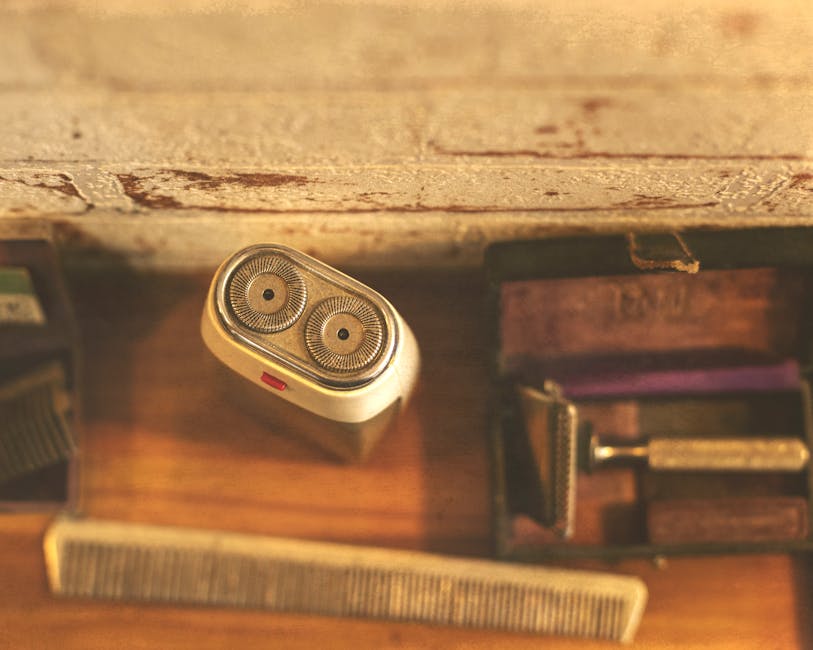
Manual blades win on closeness, and they win decisively. A multi-blade cartridge or double-edge safety razor cuts hair below the surface of the skin, slicing each strand at a slight angle that leaves the face feeling glass-smooth. Electric shavers, even high-end foil models, cut hair at or just above the skin line. The practical result is measurable: stubble typically becomes visible four to six hours after an electric shave, compared to twelve to eighteen hours after a blade shave for most men. If you shave at 7 a.m., an electric shave may leave you with visible shadow by lunchtime. A blade shave keeps you smooth through dinner.
For many men, the "good enough" factor tips the scales toward electric. In office environments, on video calls, or during a typical workday, the difference between a perfectly smooth jawline and one with a faint micro-stubble is rarely noticeable to anyone but you. Speed and convenience often outweigh the pursuit of a baby-smooth finish that only lasts a few extra hours anyway.
Skin Health, Irritation, and Safety
Skin reactions are where the shaving blade vs electric shavers comparison gets personal. Your skin type, hair texture, and shaving frequency matter more than any brand loyalty. The right tool for your neighbor might wreck your face, and vice versa.
Why Electric Shavers Are Safer for Sensitive Skin
Electric shavers, particularly foil models, offer a near-zero risk of nicks and cuts. The mechanism works by lifting hair through a perforated metal guard before a rapidly oscillating blade slices it off. The blade itself never touches the skin. For men who dread the sight of blood on their collar or who have hands that are not steady first thing in the morning, this is a genuine quality-of-life upgrade.

The ingrown hair equation is even more compelling. Electric shavers cut hair above the skin line, which means the sharpened tip of the hair never retreats below the surface where it can curl back and pierce the follicle wall. For men with curly or coarse hair, this drastically reduces razor bumps. Dermatologists routinely recommend electric shavers for pseudofolliculitis barbae, the medical term for those painful, inflamed bumps that plague so many shavers. If you have ever searched whether an electric razor is better for folliculitis, the clinical answer is yes. Foil shavers in particular are the preferred tool because they cut cleanly without tugging.
When a Blade Is Better for Your Skin
Manual shaving is not without its own skin benefits. Every stroke of a blade removes a thin layer of dead skin cells along with the hair. This exfoliation effect can improve skin texture and brightness over time for men who do not struggle with sensitivity. It is essentially a mild daily facial treatment built into your grooming routine.
Men with oily or acne-prone skin often fare better with a blade. Wet shaving with a clean razor and a quality shaving cream helps clear sebum and debris from pores. Dry electric shaving, by contrast, can press oil and bacteria against the skin, potentially worsening breakouts. The hot water and soap involved in a traditional wet shave provide a cleansing step that electric dry shaving simply skips.
There is also an irritation paradox worth noting. Some men with very dry or eczema-prone skin find that the friction of a dry electric shaver causes uncomfortable heat and redness. For these individuals, a single-blade safety razor paired with a hydrating, fragrance-free cream may actually be gentler than any electric option. Skin is not uniform, and what counts as "gentle" depends entirely on your personal dermatology.
The Real Cost of Shaving Over 5 Years
Upfront price tags are misleading. The true cost of any shaving method reveals itself over years of use, and the numbers may surprise you.
A quality electric shaver costs between eighty and three hundred dollars upfront in 2026. A starter blade kit with a handle and a few cartridges runs fifteen to thirty dollars. At first glance, blades look like the budget winner. But the math shifts when you extend the timeline.
Cartridge refills are the silent budget killer. The average American man who shaves daily goes through twelve to twenty-four cartridges per year, depending on hair coarseness and how long he stretches each blade. At current US retail prices, that translates to twenty-five to fifty dollars annually. Over five years, a cartridge razor user spends roughly one hundred fifty to two hundred fifty dollars on blades alone, not counting shaving cream, aftershave, or replacement handles.
Double-edge safety razors flip the script entirely. DE blades cost as little as six cents each when bought in bulk, and a single blade lasts three to five shaves. Annual blade costs run five to ten dollars. Over five years, a DE shaver might spend fifty to seventy-five dollars total, including a thirty-dollar starter handle. This is the undisputed cost champion.
Electric shavers land at the high end of the spectrum. A one-hundred-fifty-dollar shaver plus replacement heads every twelve to eighteen months at thirty to sixty dollars per set adds up. Over five years, total ownership costs typically run three hundred to four hundred fifty dollars. Electric is the most expensive method over time, but the convenience premium is what you are paying for. If you want to understand how electric shaver internals justify that cost, the mechanics are worth exploring.
Wet Shaving vs. Dry Shaving: Lifestyle Fit
Your bathroom setup and daily routine matter as much as your skin type. The wet versus dry divide is not just about water. It is about where and how you shave.
Electric shavers are built for dry convenience. No water, no cream, no mirror required beyond a basic reflection. You can shave while walking around your bedroom, sitting in traffic, or touching up before a meeting in your office. This makes electric the default choice for men who travel frequently, keep a shaver in their gym bag, or simply refuse to carve out dedicated bathroom time in the morning.
Blades demand a wet setup. Hot water, shaving cream or soap, and a sink are non-negotiable. This makes manual shaving impractical for camping trips, flights where carry-on liquids are restricted, or any situation where running water is unavailable. Travel with blades also introduces disposal headaches. Double-edge blades require a blade bank or careful wrapping, and cartridges with built-in lubricating strips can get messy in a Dopp kit.
The line is blurring in 2026. Many premium electric shavers now offer wet/dry capability, meaning you can use them in the shower with gel or cream. This hybrid approach gives you the speed of electric with the comfort and ritual of wet shaving. For men who want to split the difference, a wet/dry foil shaver used with a light shaving gel offers a compelling middle ground.
Electric Shaver Types: Foil vs. Rotary
Not all electric shavers are created equal, and the type you choose dramatically affects how close the shave feels compared to a blade.
Foil shavers use a thin, curved metal screen that covers oscillating blades. Hair pokes through the perforations and gets cut. This design excels on straight hair growth patterns and sensitive skin, and it delivers the closest shave an electric can achieve. For men switching from blades who want the nearest possible electric experience, a high-end foil shaver is the only serious contender. The foil mechanism mimics the linear cutting action of a blade more closely than any rotary design.
Rotary shavers use three circular heads with spinning cutters that flex independently to follow facial contours. They handle coarse hair and longer stubble better than foil shavers, making them ideal for men who shave every two or three days rather than daily. Rotary heads navigate curved jawlines and necks efficiently, but they can cause more irritation on sensitive skin because of the circular motion and the slight pulling required to feed hair into the cutters.
If your primary goal is replicating a blade shave with an electric tool, choose a foil shaver. If you prioritize coverage speed and have tougher skin, rotary may serve you better. The distinction matters because walking into a store and buying the wrong type is the fastest route to disappointment.
Environmental Impact: Waste Comparison
Sustainability concerns are reshaping grooming choices, and the waste profiles of these methods differ sharply.
Cartridge razors are an environmental headache. The average user discards twelve to twenty-four plastic cartridges per year, each a fused assembly of plastic, metal, and lubricating strips that cannot be recycled through standard municipal programs. Over a decade, that is hundreds of units headed to landfill. The handles themselves are often replaced annually as brands discontinue blade interfaces, compounding the waste.
Electric shavers produce less frequent but more complex waste. A quality shaver lasts five to seven years before the battery degrades or the motor fails. Disposal involves electronic waste with lithium-ion batteries, circuit boards, and mixed plastics. The annualized waste volume is lower than cartridges, but the recycling process is more specialized.
Double-edge safety razors are the clear environmental winner. The only disposable component is a thin metal blade, fully recyclable as scrap steel. A year's supply of DE blades fits in a palm-sized tin. For eco-conscious consumers, the DE path eliminates plastic from shaving almost entirely. If sustainability ranks high on your priority list and you are weighing the shaving blade vs electric shavers question, the blade wins, but only if it is a DE blade, not a cartridge.
How to Choose: A Decision Framework
With all the variables on the table, the right choice depends on which factors you weight most heavily. Use this framework to cut through the noise.
Choose an electric shaver if you shave daily, have sensitive skin prone to nicks and ingrown hairs, value speed over absolute smoothness, or travel frequently and need a TSA-friendly grooming tool. Foil models are your best bet for closeness and skin comfort.
Choose a manual blade if you want the closest possible shave, enjoy the ritual of wet shaving, have coarse or thick hair that electric shavers struggle to cut cleanly, or want the lowest long-term cost. A double-edge safety razor is the smart money pick for budget and sustainability.
Many ShaverOne readers find the hybrid solution ideal: an electric shaver for weekday mornings when speed matters, and a blade for weekend grooming when you have time to enjoy the process and want that extra-smooth finish for social occasions.
Skin type matters enough to warrant a cheat sheet. Sensitive or folliculitis-prone skin should lean toward a foil electric shaver. Oily or acne-prone skin often responds better to a blade, whether DE or cartridge. Dry or eczema-prone skin may benefit from a wet/dry electric model used with a moisturizing gel. Coarse or curly hair pairs well with a rotary electric or a single-blade DE razor, both of which minimize tugging and ingrown hairs.
Frequently Asked Questions
Is an electric razor better for folliculitis? Yes. Electric shavers cut hair above the skin line, preventing the ingrown hairs that trigger folliculitis. Foil models are the preferred choice among dermatologists for this specific condition.
Do electric shavers shave as close as blades? No. Blades cut below the skin surface, providing a closer shave that lasts eight to twelve hours longer. Electric shavers leave a residual stubble of roughly 0.1 to 0.2 millimeters.
What are the downsides of electric shavers? Higher upfront cost, a less close shave, the need for regular head replacements costing thirty to sixty dollars per year, and potential skin friction for men with dry skin.
Can you use an electric shaver with shaving cream? Only if the model is explicitly labeled wet/dry. Using cream with a dry-only shaver can damage the foil, clog the cutters, and void the warranty. Always check the manufacturer specifications before adding any liquid to your electric routine.
Final Verdict (ShaverOne Recommendation)
For most men in 2026, the smartest approach is a two-tool strategy. Start with a mid-range electric foil shaver in the eighty to one-hundred-fifty dollar range for daily use. Keep a double-edge safety razor on hand for weekends, date nights, and any occasion where a perfectly smooth shave matters. This combination covers speed, skin health, cost efficiency, and closeness without compromise.
If you are on a tight budget, a thirty-dollar DE starter kit with a year's supply of blades for under ten dollars is unbeatable value. If convenience is your non-negotiable, a wet/dry foil shaver from Braun or Panasonic will serve you well. And if skin health is your top concern, a high-quality foil shaver designed for sensitive skin is worth every penny. The right choice is the one that fits your face, not someone else's.


